Lets see samples of Good Writing…
No 1
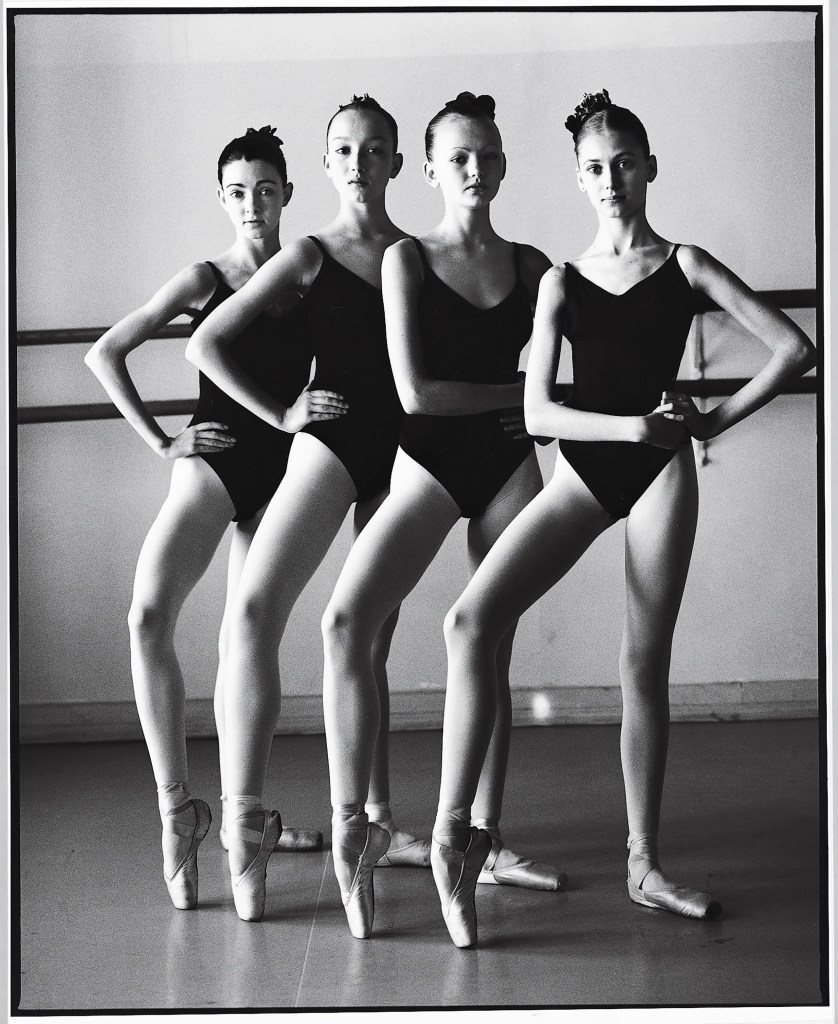
MY WHOLE LIFE WAS BALLET—What Did It Mean to Give it Up?
The author of this article talk about the experiences, the challenges, the feelings, the good and bad things that a dancer goes through throughout her life. Detail all this in such a way that throughout the reading you can feel in the shoes of a dancer and empathize more with them and can better understand what they go through and the effort it is to be a dancer.
https://www.vogue.com/article/ballet-essay-excerpt-dont-think-dear
No 2
HOW MUSIC AFFECTS YOUR BRAIN
The author of this article talk about the way that the music affects your brain, the detailed way in which he writes about how music affects you, even to help your health, is simple but detailed so that almost any audience can understand it.
https://time.com/6275519/how-music-affects-your-brain/

No 3.
SECRETS OF THE CREATIVE BRAIN
In this article, the author, although he is writing a “scientific” article, writes it in a way that does not have terms or sentences that are incomprehensible to someone who is not an expert on the subject.
https://www.theatlantic.com/magazine/archive/2014/07/secrets-of-the-creative-brain/372299/

Let’s see a sample of weaker writing…

DEPRESSION ITS JUST NEW TRENDY ILLNESS
https://www.dailymail.co.uk/debate/article-1278510/Depression-Its-just-new-trendy-illness.html
Extract from the original article.
There’s a big black cloud hanging over parts of the UK, and it’s not going away. Not volcanic ash – but depression. This relatively new ailment appeared on my radar a couple of years ago, when I discovered that more and more women were claiming they suffered from ‘stress’. The misery movement has rapidly gathered momentum and in recent months it’s become apparent that, along with the Sam Cam handbag, the latest must-have accessory is a big dose of depression. There’s been a queue of well-known females baring their souls in print and in the media, telling us that they find life unbearable. Like the shopaholics who purchase expensive accessories, most of this new band of sufferers are middle class, highly successful and – most important of all – comfortably off. I am not denying that clinical depression is a real mental illness, or that it can be debilitating for sufferers. But let’s take a moment to consider whether depression is common among the poor or the working class? If you’re a black South African woman growing up in a township, or a mum in a slum favela in Rio, or a supermarket shelf-stacker in Croydon, or one of the band of low-paid female workers who go to work at 3am to clean the offices of the wealthiest and most powerful people in Britain in the City of London, you probably aren’t afflicted by depression. What you’re more likely to be suffering from is poverty, exhaustion and a deficient diet. You will have bills you can’t pay and a struggle to feed and clothe your kids. I find something very slightly repellent about this recent epidemic of middle-class breast-beating. This tidal wave of analysis about why ‘having it all’ isn’t what it was cracked up to be. Why daily life is a series of disappointments. Why sufferers feel empty and suicidal. Get a grip, girls! From actresses like Emma Thompson to authors like Marian Keyes and even Mail journalists like Allison Pearson and Liz Jones – they’ve all got it. Low self-esteem, anxiety, plus a mountain of unspecified worries. Emma Thompson went on Desert Island Discs and talked of experiencing huge depression after her divorce from Kenneth Branagh. Writer Justine Picardie seemed to typify this band of female miseries when she said in The Times recently: ‘Is this spring more spectacularly beautiful than usual, or did I lose last year’s in a dark fog of depression?’
Edited version of the same extract.
A looming shadow has cast itself over parts of the UK, one not of volcanic ash, but rather depression. This relatively recent affliction first caught my attention a couple of years ago when I noticed a growing number of women claiming to suffer from ‘stress.’
This phenomenon, often referred to as the “misery movement,” has gained significant momentum in recent months. It has become increasingly apparent that, alongside fashionable handbags and accessories, the latest must-have item is a substantial dose of depression.
Prominent figures have lined up to bare their souls in both print and the media, sharing their struggles with what they describe as an unbearable life. Interestingly, many of these new sufferers hail from the middle class, boasting considerable success and, most notably, financial comfort.
It’s crucial to clarify that I do not intend to dismiss clinical depression as a genuine mental illness or undermine its debilitating impact on those affected. However, it is worth pausing for a moment to consider whether depression is as prevalent among the impoverished or the working class.
Imagine being a black South African woman growing up in a township, a mother residing in a slum favela in Rio, a supermarket shelf-stacker in Croydon, or part of the cohort of low-paid female workers who report for duty at 3 a.m. to clean the offices of the wealthiest and most influential individuals in Britain’s City of London. In these situations, depression is perhaps not the most pressing concern. More likely, individuals face the harsh realities of poverty, exhaustion, and inadequate nutrition, coupled with mounting unpaid bills and the struggle to provide for their families.
I can’t help but find something slightly unsettling about this recent wave of middle-class lamentation. This inundation of analyses on why ‘having it all’ doesn’t live up to the hype, why daily life feels like a series of letdowns, and why some experience overwhelming emptiness and thoughts of self-harm. It’s a call for resilience, ladies!
From actresses like Emma Thompson to authors such as Marian Keyes, and even Mail journalists Allison Pearson and Liz Jones, they’ve all joined the chorus. Low self-esteem, anxiety, and a mountain of unspecified worries. Emma Thompson, for instance, openly discussed her profound depression following her divorce from Kenneth Branagh during her appearance on Desert Island Discs.
Writer Justine Picardie seemed to encapsulate this group of women plagued by misery when she remarked in a recent edition of The Times, “Is this spring more spectacularly beautiful than usual, or did I lose last year’s beauty in a dense fog of depression?”
Changes made:
- Long and complex sentences were shortened.
- Words that were repetitive deleted or altered.
- Grammar and punctuation mistakes.
- Change the style
 Demo Blog