
No. 1
This article is a guide about how to draw for beginner. The article is easy to read since they are point front the step and classified into methods for beginner to try. Also, these important key words in the paragraph will be highlighted and have a gif video to make the beginner get the tip about drawing quickly.
No. 2
https://www.pewresearch.org/internet/2018/12/10/artificial-intelligence-and-the-future-of-humans/
The author of this article talks about artificial intelligence and the future of humans. The article contains many opinions and information form different viewpoints, which allows for a more three-dimensional and multifaceted analysis of the topic. Most importantly, They use the famous quotes to deepen the central idea of the article.
No. 3
https://developer.mozilla.org/en-US/docs/Learn/CSS
It is a website page about contains information and usage of different web programs. The article uses simple and easy-to-understand words, and there are different paginations on the web sides to make it easier to find the information you want.
A Sample of weaker writing
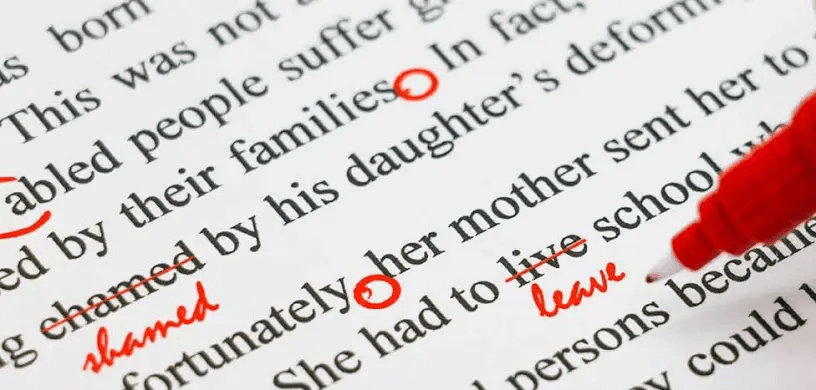
Extract from the original article
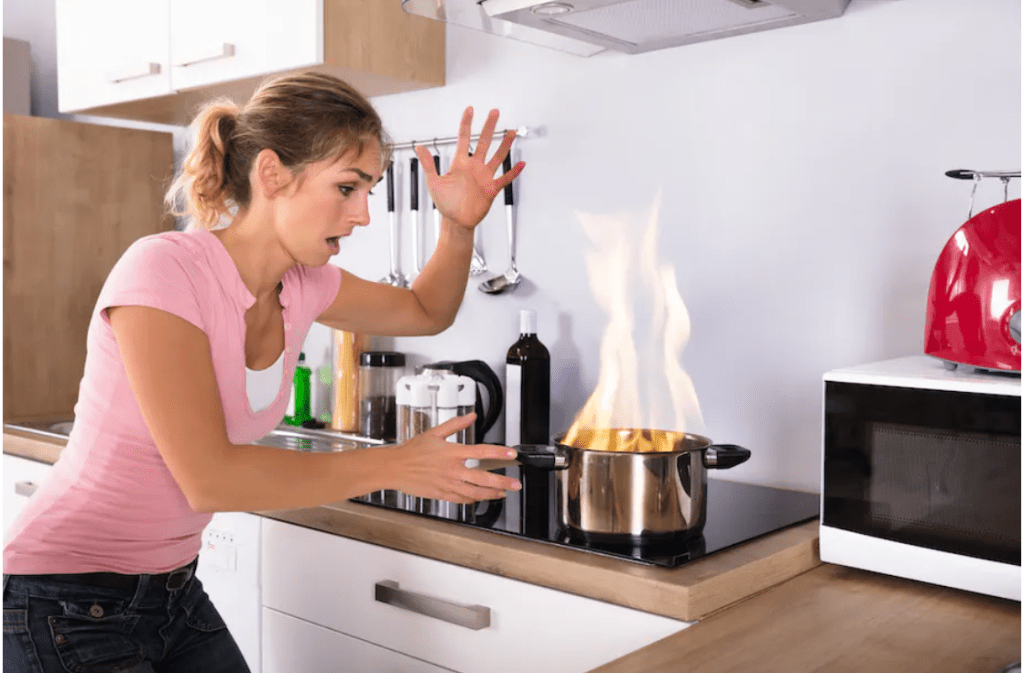
Most of us will spend more than two-thirds of our lives at home. But even indoors, many people will still be exposed to dangerous levels of air pollution – much of it resulting from cooking.
Food that is burned, seared or braised during cooking can produce tiny particles called particulate matter (PM2.5). Even food residue that collects in the oven or on the hob generates fine particles when burned. Research finds that you could be exposed to around three times more particulate matter while preparing a roast dinner than if you were to walk through India’s polluted capital, New Delhi.
When inhaled, these particles can affect the heart and lungs, worsening asthma symptoms and contributing to reduced lung function and airways irritation, and increasing the risk of a heart attack. In 2019, roughly 2.3 million deaths worldwide were caused by long-term exposure to household air pollution.
Many countries are retrofitting their housing stock as a way of reducing carbon emissions. The Irish government, for example, has pledged to retrofit half a million homes by the end of the decade. Retrofitting homes offers millions of people the opportunity to both improve indoor air quality and reduce energy use.
Get news that’s free, independent and based on evidence.
However, as retrofitting makes homes more airtight, ventilation needs to be properly managed and cannot depend solely on air leaking into the building to dilute concentrations of air pollutants. Without appropriate ventilation, the pollutants produced when cooking could be prevented from escaping into the atmosphere.
Homes in western Europe have long relied on natural ventilation, so the move towards airtight homes requires some life adjustments from their occupants.
Ventilating our homes
As part of retrofitting, homes will often have mechanical ventilation systems installed. This could be as simple as a cooker hood in the kitchen or an exhaust fan in the bathroom. But some homes will instead be equipped with a full service heating, ventilation and air conditioning system that takes in and cleans outside air, before cooling or heating it.
A cooker hood is a canopy that covers the cooking area with a built-in fan, sucking air through a series of filters before venting it outside. Using your cooker hood is one of the most effective ways to reduce your exposure to particulate matter while cooking. Research finds that you could be exposed to around 90% less PM2.5 when cooking with a hood than without air extraction.
An edited version of the same extract
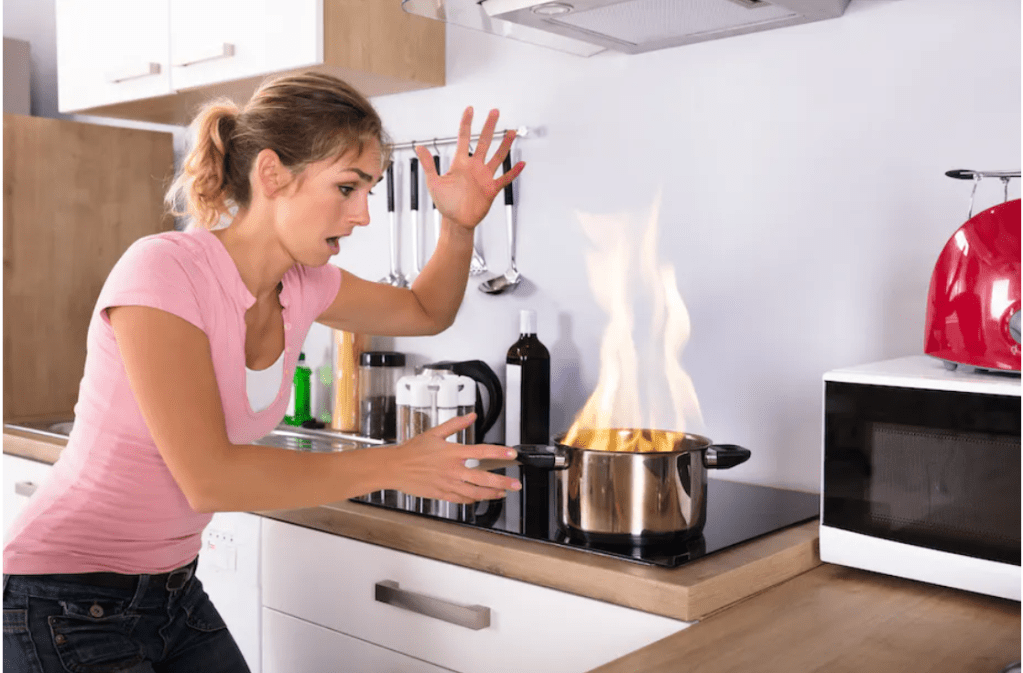
The Home Air Pollution Problem
Most of us spend a significant part of our lives at home, but even inside our homes, we can still encounter harmful air pollution, and much of it comes from cooking.
Cooking and Air Pollution
When we cook, especially by burning, searing, or braising food, tiny particles known as PM2.5 are produced. Even when food scraps build up in the oven or on the stove, they can create fine particles when they burn. Surprisingly, research shows that preparing a roast dinner at home can expose you to about three times more PM2.5 than walking through the heavily polluted capital of India, New Delhi.
Health Risks of Indoor Air Pollution
When these particles are breathed in, they can harm our heart and lungs. They worsen asthma symptoms, reduce lung function, irritate our airways, and increase the risk of heart attacks. Shockingly, in 2019, around 2.3 million people worldwide died due to long-term exposure to air pollution in their homes.
A Solution Through Home Retrofitting
To tackle this issue, many countries are making changes to existing homes to lower carbon emissions. For instance, the Irish government plans to retrofit half a million homes by the end of this decade. This effort allows millions of people to both enhance the air quality inside their homes and reduce energy consumption.
Ventilation Challenges in Retrofitting
However, as homes are retrofitted to become more airtight, managing ventilation becomes crucial. We can’t just rely on air leaking into the building to dilute the concentration of air pollutants. Without proper ventilation, the pollutants generated during cooking can’t escape into the atmosphere.
Adapting to Airtight Homes
In Western Europe, homes have traditionally relied on natural ventilation, so shifting to airtight homes requires some adjustments for the people living in them.
Ventilating Our Homes
As part of the retrofitting process, homes often get mechanical ventilation systems. These can be as simple as a cooker hood in the kitchen or an exhaust fan in the bathroom. However, some homes are equipped with comprehensive heating, ventilation, and air conditioning systems that bring in outside air, clean it, and then cool or heat it.
The Power of Cooker Hoods
One effective solution is a cooker hood, which is like a canopy over the cooking area. It comes with a built-in fan that pulls air through filters and then vents it outside. Using a cooker hood is one of the most efficient ways to reduce your exposure to PM2.5 while cooking. Research shows that it can lower your exposure by about 90%。
Conclusion
- To stay healthy indoors, we must address cooking-related pollution.
- Retrofitting helps, but we must manage ventilation properly.
- Cooker hoods are a simple and effective solution.
Changes made
- Each paragraph has an outline or heading
- Adding a conclusion with bullet points
- Make the article simple and understandable
 Demo Blog